ADHD in Women: Understanding, Diagnosis & Support in Dubai
ADHD in Women
This page explores how ADHD commonly presents differently in women, often through internalised symptoms such as chronic overwhelm, emotional dysregulation, perfectionism, anxiety, people-pleasing, and persistent self-doubt. It explains why ADHD in women is frequently missed or diagnosed late, particularly when symptoms are masked, mislabelled as anxiety or depression, or shaped by social and cultural expectations. The page also outlines how trauma-informed psychiatric care and Internal Family Systems (IFS) therapy can support accurate diagnosis, self-understanding, and compassionate treatment planning.
Clinical Expertise
Specialist assessment of ADHD in adult women, including masked presentations, hormonal influences, emotional regulation difficulties, and overlap with anxiety, trauma, and burnout.
Credentials
Content authored by a Consultant Psychiatrist with extensive experience in adult ADHD, women’s mental health, and trauma-informed diagnostic practice.
Care Standards
Clear, compassionate psychoeducation that avoids stereotypes. Diagnostic conclusions and treatment options are discussed collaboratively, with medication offered thoughtfully and never by default.
Location: First Psychiatry Clinic, 975 Al Wasl Road, Dubai | Phone/WhatsApp: +971 55 355 7855
Key Takeaways
- ADHD in women often looks different from stereotypical hyperactive presentations and is frequently internalised rather than disruptive.
- Common features include chronic overwhelm, emotional dysregulation, perfectionism, people-pleasing, anxiety, and self-criticism.
- Many women are diagnosed late because symptoms are masked, mislabelled as anxiety or depression, or shaped by social and cultural expectations.
- Years of misunderstanding can lead to shame, burnout, low self-esteem, and identity confusion.
- An accurate diagnosis can bring relief, grief, and clarity at the same time — all are normal responses.
- Trauma-informed assessment is essential, as ADHD in women often overlaps with attachment wounds, chronic stress, or relational trauma.
- Treatment is individualised and may include therapy, coaching, lifestyle adjustments, and medication — none are mandatory.
- Approaches such as Internal Family Systems (IFS) therapy support self-compassion, emotional regulation, and integration after diagnosis.

What Are the Signs of ADHD in Adult Women?
In adult women, inattentive ADHD is the most common presentation. It is not simply a checklist of symptoms, as many people believe it to be. Online tests can be falsely negative or falsely positive too. Symptoms of anxiety and unresolved trauma overlap with ADHD. This takes time to be able to differentiate. Some of the common symptoms are
- Inattention symptoms include lack of focus and hyperfocusing with intensity.
- Being forgetful and missing details or making careless mistakes
- Putting off challenging tasks and opting for easy tasks as part of procrastination.
- Drifting away or daydreaming (more as a child)
- Difficulty prioritizing or making decisions
- Fear of failing, fear of initiating tasks from historically not being able to complete tasks.
- Difficulty relaxing (constant state of having to remain in tension) and frequent energy crashes
- Difficulties in maintaining interests for too long or following instructions.
- Initial excitement with projects, but easily giving up from boredom or delegating too quickly
Not all of these symptoms are necessarily indicative of ADHD. Without in-depth assessment, this can lead to misleading conclusions. It is important to udnertake full ADHD assessment with a experienced clinician.
👉 For types and detailed symptoms, see ADHD Testing in Dubai
How Do Women with ADHD Mask Their Symptoms to Fit In?
Masking is the act of concealing ADHD traits to feel a sense of belonging in a neurotypical world. It is far more common in women, who often face higher social and cultural expectations.
While masking may help women adapt, over time it leads to emotional exhaustion and identity confusion, as it forces them to live in ways that feel unnatural.
Common Masking Strategies
- Perfectionism to hide internal disorganisation
- People-pleasing to conceal low self-worth
- Complying with others to avoid rejection
- Using self-shaming humour for acceptance
- Overworking to counter inner struggles
- Hiding impulsive behaviours
Masking may help in the short term, but long-term well-being comes from recognition, support, and trauma-informed ADHD care.
Real Questions Women Ask (And How ADHD Support Helps)
Why was I told I have anxiety or depression instead of ADHD?
Both anxiety and ADHD can show up as struggles with focus and attention. This is not always easy to be teased out just by online tests. Professionals asking questions from all angles of your mental health helps. Sometimes, your doctor may add in questionnaires and structured interviews.
Should I have to take medication if I’m diagnosed with ADHD?
Not necessarily. Medication is not always required, and the decision depends on how much ADHD symptoms are affecting your life.
Some people benefit from lifestyle changes, therapy, or coaching alone. Others may consider medication if ADHD causes significant challenges such as:
Constantly shifting goals or courses without follow-through
Struggling to stay in jobs or maintain stability
Needing to overwork just to keep up with daily demands
Starting many projects but finding it hard to complete them
Medication can help level the playing field, but it’s only one of many tools available. The choice is always personal and made in collaboration with your psychiatrist.
What support can I get after a diagnosis of ADHD?
For many people, receiving an ADHD diagnosis brings a deep sense of relief. Challenges that were once misinterpreted as laziness or lack of effort suddenly make sense.
At the same time, it’s natural to feel sadness or grief—about the years of being misunderstood, the labels unfairly given, and the impact ADHD may have had on your health, relationships, or career.
Support after diagnosis can include:
Therapy or coaching to build strategies for focus, organisation, and self-esteem.
Medical treatment (if needed) to manage symptoms effectively.
Psychoeducation to better understand ADHD and its effects.
Community and peer support, which can reduce isolation and shame.
Workplace and academic accommodations that allow you to thrive.
An ADHD diagnosis is not the end of the story—it’s the beginning of building a life with greater clarity, compassion, and practical tools.
ADHD in Women—Quick FAQs
- Can ADHD be diagnosed in adulthood? Yes—many women are diagnosed later in life.
- Can ADHD look like anxiety or depression? Yes, which is why misdiagnosis is common.
- Are stimulant medications always needed? No—many benefit from therapy and lifestyle support too.
About Dr. Millia
Dr. Millia Begum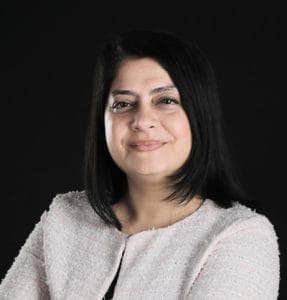 is a trained trauma specialist with over 25 years of clinical experience in psychiatry and therapy. She trained in the UK’s NHS system and served the NHS in various senior roles.
She is a former EMDR Europe Approved Consultant, EMDR researcher, and board member of the EMDR Association UK. She is now a member of the EMDR International Association (EMDRIA).
Dr. Millia is a Certified Internal Family Systems (IFS) Therapist, bringing a compassionate, parts-informed approach to her work with clients in Dubai.
To Book a Confidential Consultation
Individuals looking for trauma-informed care are welcome to visit Dr. Millia in a secure and encouraging environment. Her integrative approach can assist whether you are dealing with an emotional pattern you’re ready to change, long-standing trauma, or recent stress.
- First Psychiatry Clinic
◦ Villa 975, Municipality 363856
◦ Al Manara, Umm Suqeim 2
◦ Dubai, UAE
• Office Number: +971 4 221 6000
• E-mail: info@firstpsychiatryclinics.com
- First Psychiatry Clinic
- Office Number: +971 4 221 6000
- E-mail: info@firstpsychiatryclinics.com