Trauma Therapy in Dubai
An Integrative Approach to Trauma Therapy
Trauma recovery may involve using different therapeutic approaches, either integratively or sequentially. Having access to more than one approach can offer greater choice and flexibility, while allowing different aspects of trauma to be addressed in ways that are responsive to each person’s needs, experiences and readiness for therapy.
If you are looking for trauma therapy in Dubai, Dr Millia Begum is a Consultant Psychiatrist and trauma therapist working with adults experiencing PTSD, Complex PTSD, childhood trauma, attachment trauma, dissociation and other trauma-related difficulties.

Why Do Some Reactions Keep Happening Despite Therapy?
Some emotional and physical responses occur automatically and outside conscious awareness. This can explain why a person may understand their experiences very well but still feel triggered, shut down or overwhelmed.
“I don’t know where this comes from.”
“There’s no clear memory.”
“This feels older than logic.”
Traumatic responses are not limited to conscious thoughts or memories. Early or overwhelming experiences can shape automatic patterns of threat, protection and emotional response.
Book an Appointment
Trauma therapy services are tailored to the individual and may include EMDR, Internal Family Systems (IFS) and Deep Brain Reorienting (DBR), depending on a person’s difficulties, needs and readiness for trauma processing.
Book at First Psychiatry ClinicWhat Is the Difference Between Talking Therapy and Trauma Therapy?
Talking therapies and trauma-focused therapies can both be valuable, but they place emphasis on different aspects of experience.
Talking Therapy
- Works with thoughts, beliefs, emotions and meaning.
- Uses conversation, reflection and the therapeutic relationship.
- Can build insight and understanding of patterns.
Trauma-Focused Therapy
- May work with memories, emotions, body sensations and defensive responses.
- Can include both reflective “top-down” and body-informed “bottom-up” approaches.
- Aims to help integrate traumatic experiences with present-day understanding and safety.
When someone understands their difficulties intellectually but their body or emotions continue to react as though danger is still present, a more integrated trauma-focused approach may be helpful.
Trauma-Informed Therapies in Dubai
Working from a trauma-informed perspective means considering not only symptoms, but also how earlier experiences, attachment, protective responses, dissociation and nervous-system responses may be contributing to current difficulties.
Trauma recovery can involve gradually developing a greater capacity to remain present with difficult experiences while processing aspects of trauma that continue to affect emotions, relationships, the body and sense of self.
Types of Therapies that Work for Trauma
Trauma recovery may involve using different therapeutic approaches, either integratively or sequentially. Having access to more than one approach can offer greater choice and flexibility, while allowing different aspects of trauma to be addressed in ways that are responsive to each person’s needs, experiences and readiness for therapy.
EMDR Therapy
EMDR helps process distressing memories and reduce their emotional intensity using structured trauma processing and bilateral stimulation.
Deep Brain Reorienting (DBR)
DBR focuses on early orienting, shock and defensive responses associated with traumatic experiences.
Internal Family Systems (IFS)
IFS helps people understand protective and vulnerable parts of themselves and develop a more compassionate internal relationship.
Frequently Asked Questions About Trauma Therapy
How do I know which trauma therapy approach is right for me?
The most appropriate approach depends on your symptoms, history, current difficulties, previous treatment and how comfortable you feel with different forms of therapy. During an initial assessment, Dr Millia can discuss approaches such as EMDR, Internal Family Systems (IFS) and Deep Brain Reorienting (DBR), and consider which may be suitable for your needs.
What is the difference between talking therapy and trauma-focused therapy?
Talking therapies often focus on thoughts, emotions, relationships and meaning through conversation and reflection. Trauma-focused therapies may also work more directly with traumatic memories, body sensations, emotional responses and automatic threat or defensive reactions. Some treatment plans combine both approaches.
Can trauma therapy help if I do not remember a specific traumatic event?
Yes. Not everyone has a clear autobiographical memory linked to their current difficulties. Therapy can sometimes work with present-day triggers, emotions, body responses, relationship patterns and protective reactions without requiring a detailed memory of a particular event.
Is trauma therapy safe?
Trauma therapy should begin with an appropriate assessment and be paced according to the individual’s needs. Some people, particularly those with significant dissociation, emotional instability or complex trauma, may benefit from additional preparation and stabilisation before more intensive trauma processing.
Do you integrate different trauma therapy approaches?
Yes. Where clinically appropriate, treatment may integrate approaches such as EMDR, Internal Family Systems (IFS), Deep Brain Reorienting (DBR), psychiatric assessment and medication. The aim is not to use every therapy, but to choose approaches according to the person’s presentation, needs and readiness.
Can I have trauma therapy without medication?
Yes. Medication is not automatically required for trauma therapy. Some people may benefit from psychotherapy alone, while others may find medication helpful for associated difficulties such as anxiety, depression, sleep disturbance or other psychiatric symptoms. This can be discussed following assessment.
Can I see one clinician for both psychiatric care and trauma therapy?
In some cases, yes. Dr Millia provides both psychiatric assessment and psychotherapy, which can allow medication, diagnosis and therapy to be considered within one overall treatment plan where appropriate. Some people may prefer to work with separate clinicians depending on their needs.
How much does trauma therapy cost in Dubai?
Fees depend on the type and length of consultation. Please contact First Psychiatry Clinic for current appointment availability and fee information.
Do you offer online trauma therapy sessions?
Selected online consultations may be available for adults living in the UAE where clinically appropriate. Some assessments or forms of trauma therapy may be better suited to in-person appointments.
How do I book a trauma therapy session in Dubai?
Appointments with Dr Millia can be arranged through First Psychiatry Clinic in Dubai. You can use the contact details on this page to enquire about availability and booking.
How do I choose a trauma therapist in Dubai?
It can be helpful to consider the clinician’s professional qualifications, experience with trauma-related difficulties, training in relevant therapies, and whether their approach feels appropriate for your needs. Feeling sufficiently comfortable and safe with the clinician is also an important part of the decision.
What is the difference between a psychiatrist and a psychologist for trauma treatment?
A psychiatrist is a medically qualified doctor who can assess mental health conditions, consider medical and psychiatric factors, and prescribe medication where appropriate. Psychologists are trained in psychological assessment and therapy but are not medical doctors. Both may provide trauma-focused treatment depending on their training and experience.
About Dr. Millia
Dr. Millia Begum is a British-trained Consultant Psychiatrist and an expert trauma specialist with over 25 years of clinical experience in psychiatry and therapy.
She is an EMDRIA Certified Therapist™ and EMDRIA Approved Consultant™, a former EMDR researcher, and a former board member of the EMDR Association UK. She uses EMDR, Deep Brain Reorienting (DBR) Therapy and is a Certified Internal Family Systems (IFS) Therapist . She brings a compassionate, parts-informed approach to her work with clients in Dubai.
PROFESSIONAL ACCREDITATIONS & ADVANCED TRAINING- DR MILLIA BEGUM
IFS™ Certified Therapist | EMDRIA Certified Therapist™ | EMDRIA Approved Consultant™ | DBR Level 3 Trained


Book a Mental Health Appointment
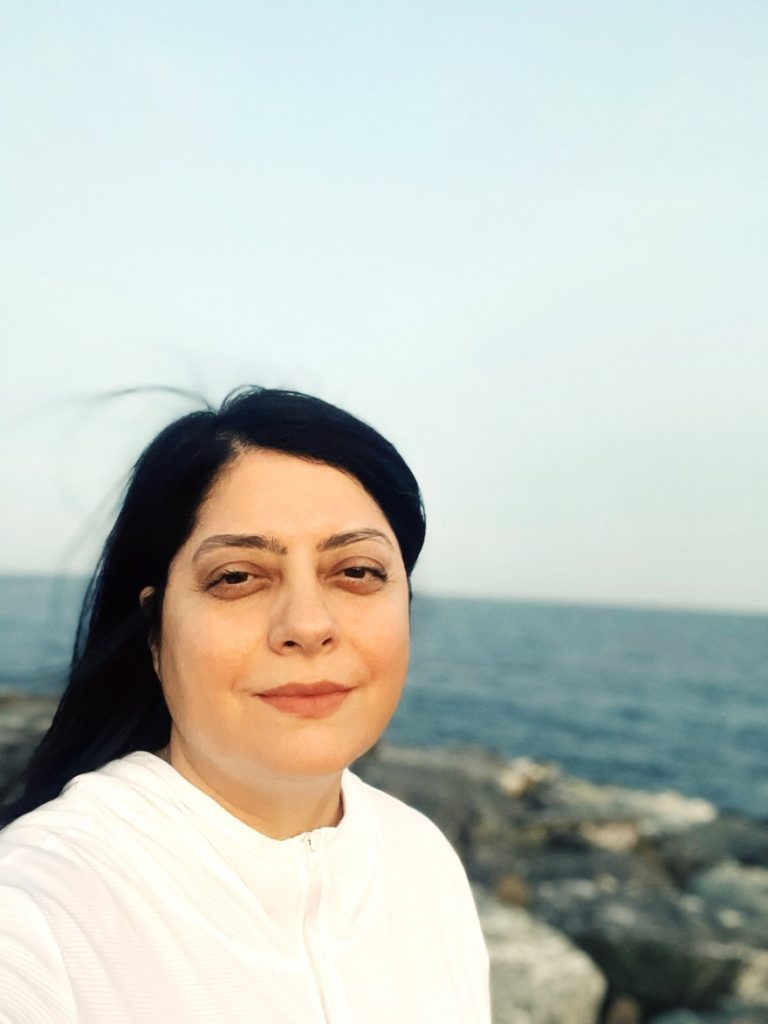
Arrange a confidential consultation with Dr Millia Begum at First Psychiatry Clinic in Dubai.
Villa 975, Municipality 363856
Al Manara, Umm Suqeim 2
Dubai, UAE
Office: +971 4 221 6000
Email: info@firstpsychiatryclinics.com