Post-Traumatic Stress Disorder (PTSD) Therapy
Key Takeaways — PTSD Therapy in Dubai
- Expert-led treatment: Dr. Millia Begum is a UK-trained Consultant Psychiatrist, DHA-licensed, with over 25 years of trauma treatment experience.
- Integrated therapy approach: Combines psychiatric care with Deep Brain Reorienting (DBR) Therapy, EMDR therapy, Internal Family Systems (IFS), and evidence-based trauma healing strategies for holistic recovery.
- Safe and confidential: Private sessions are available in person at First Psychiatry Clinic (Al Wasl Road) or online for Dubai residents and expats.
- Root-cause oriented: Focuses on healing trauma stored in the mind, body, and nervous system—not only short-term symptom management.
- 📲 Book a confidential consultation via WhatsApp to begin your recovery journey.
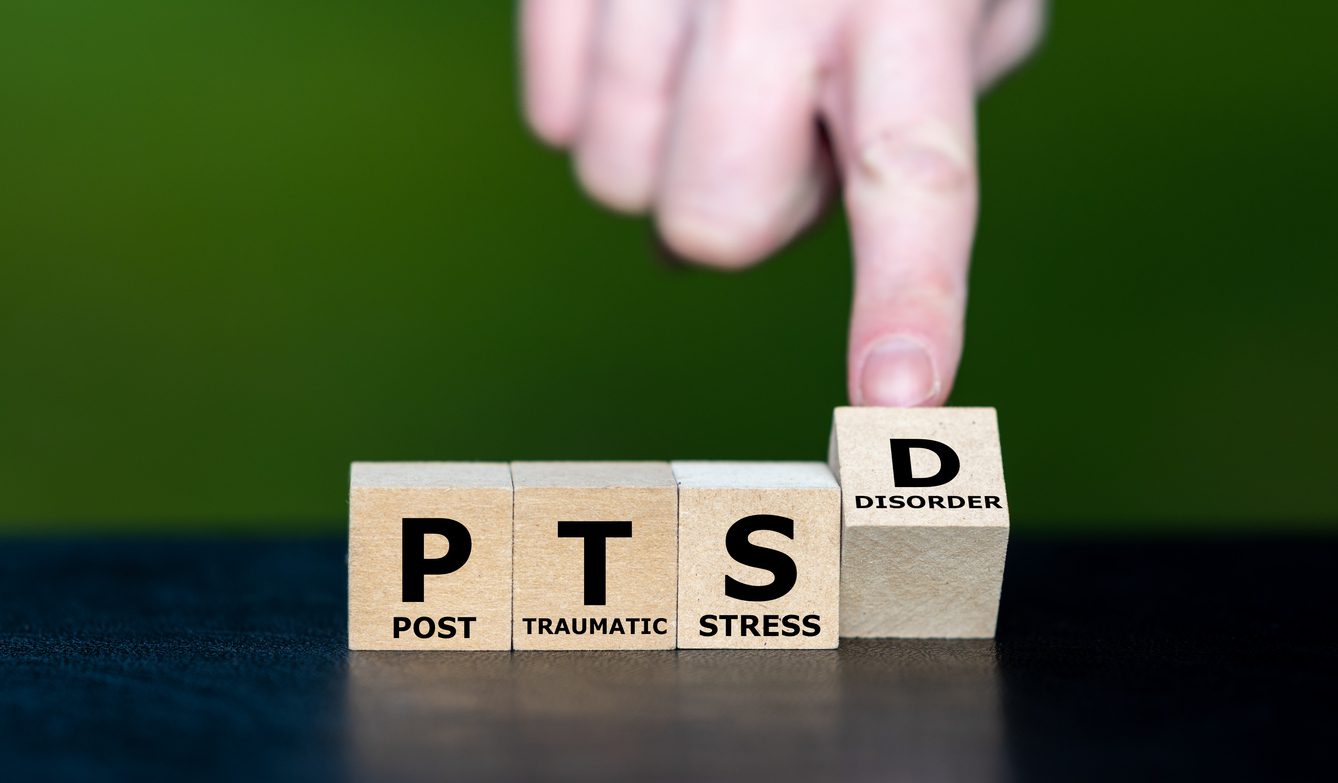
What Is Post-Traumatic Stress Disorder (PTSD)?
PTSD can develop when the nervous system remains stuck in survival mode after trauma. This may follow a single overwhelming event or ongoing experiences of fear, shame, oppression, or chronic stress.
While many associate PTSD with one event, its effects often accumulate over time. Some symptoms are visible, others hidden—like the part of an iceberg beneath the surface.
Learn more about early signs in the Symptoms of Trauma guide.
Key PTSD Symptoms at a Glance
Many symptoms of PTSD are obviously felt and experienced due to their distressing nature. However, for some of those who have experienced trauma, symptoms are less visible yet just as impactful—much like part of an iceberg beneath the surface. Symptoms of PTSD include—
Re-experiencing trauma:
Examples are intrusive memories, flashbacks, nightmares, and strong emotional or physical reactions.
Avoidance of any reminders:
For instance, steering clear of thoughts, feelings, places, activities, or people that bring back reminders.
Ongoing sense of threat:
A feeling like the body and mind are still not safe; the threat and the danger still feel alive. The protectiveness and self-preservation from threats are still online. Symptoms of these are hypervigilance, feeling “on guard,” exaggerated startle response, and difficulty relaxing.
Duration & impact:
Symptoms last for weeks or longer and significantly affect work, family, relationships, and daily life.
Defined according to the ICD-11 diagnostic guidelines for PTSD.
What Therapies Work for PTSD?
Global guidelines (ICD-11/WHO, NICE, APA) recommend EMDR Therapy for PTSD. There is also growing evidence for Internal Family Systems (IFS) as a gentle, parts-based approach for trauma and dissociation. Dr. Millia combines both for integrative healing.
DBR Therapy
Deep Brain Reorienting (DBR) is grounded in neuroscience and has emerging clinical evidence showing it can reduce PTSD symptoms:
Learn more about DBR Therapy for PTSD here.
EMDR Therapy
Uses bilateral stimulation to reprocess traumatic memories safely and reduce emotional distress.
Learn about EMDR →Internal Family Systems (IFS)
Helps you connect with protective and wounded parts compassionately, fostering calm, clarity, and balance.
Explore IFS Therapy →Integrated Psychiatry
When needed, medication can support mood, sleep, and anxiety alongside therapy to treat root causes.
Psychiatry Services →How PTSD Affects Quality of Life
PTSD impacts not only mental health but also relationships, work, family life, and overall well-being. Many people report reduced life satisfaction, difficulties in social and occupational functioning, and challenges in maintaining daily stability.
Research Highlight: Dr. Millia Begum co-authored a study in the Journal of Mental Health showing that people with PTSD report significantly lower life satisfaction compared to those without PTSD. The findings highlight the importance of trauma-focused therapies in restoring well-being.
Karatzias, T., Chouliara, Z., Power, K., Brown, K., Begum, M., McGoldrick, T., & MacLean, R. (2013). Life satisfaction in people with post-traumatic stress disorder. Journal of Mental Health, 22(6), 501–508. https://doi.org/10.3109/09638237.2013.819418
Real Questions People Ask
- Can PTSD appear years later?
- Yes. Delayed-onset PTSD is common when trauma was suppressed or unresolved, and symptoms can emerge months or even years later.
- Can grief cause PTSD?
- Sudden, violent, or traumatic loss can trigger PTSD symptoms. Therapy provides safe support to process loss and restore balance.
- What therapy helps when talk therapy hasn’t worked?
- DBR, EMDR, and IFS are not “just talk.” They target the nervous system, creating deeper, lasting healing when traditional talk therapy falls short.
- Is PTSD therapy confidential in Dubai?
- Yes. Sessions with Dr Millia are private, safe, and fully confidential.
- Do I have PTSD?
- If you experience intrusive memories, nightmares, avoidance, hypervigilance, or feel constantly unsafe after trauma, you may meet criteria for PTSD. A professional assessment is the best way to know for sure.
- What are the best therapies for PTSD?
- International guidelines (ICD-11/WHO, NICE, APA) recommend EMDR Therapy for PTSD. However, there is growing evidence for DBR therapy and IFS therapy as safe and effective treatments for PTSD and Complex PTSD.
- Will I ever heal from PTSD?
- Yes. With the right support, PTSD is highly treatable. Many people move from living in constant survival mode to reclaiming safety, trust, and hope.
- Will therapy help me if I cannot talk about my trauma?
- Yes. You do not need to retell every detail of your trauma. DBR, EMDR and IFS focus on how trauma is stored in the mind and body, allowing healing without overwhelming re-exposure.
About Dr. Millia
Dr. Millia Begum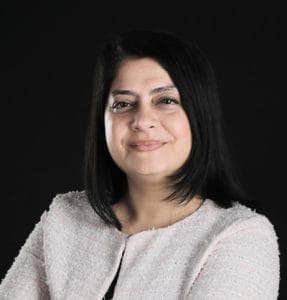 is a trained trauma specialist with over 25 years of clinical experience in psychiatry and therapy. She trained in the UK’s NHS system and served the NHS in various senior roles.
She is a former EMDR Europe Approved Consultant, EMDR researcher, and board member of the EMDR Association UK. She is now a member of the EMDR International Association (EMDRIA).
Dr. Millia is a Certified Internal Family Systems (IFS) Therapist, bringing a compassionate, parts-informed approach to her work with clients in Dubai.
📞 Contact Dr. Millia
If you would like to book a consultation or learn more about services, please get in touch:
- Clinic: First Psychiatry Clinic
- Address: 975 Al Wasl Road, Dubai, UAE
- Phone: +971 55 355 7855
- Email: info@milliabegum.ae
- Website: milliabegum.ae