IFS Therapy in Dubai
Internal Family Systems (IFS) therapy is a psychotherapy that helps people understand and work compassionately with different parts of themselves.
IFS is often used when working with complex trauma, shame, self-criticism, attachment wounds and emotional dysregulation.
IFS aims to transform the relationship between different parts of the personality and support greater internal balance and Self-leadership.
Dr Millia Begum’s Training in Internal Family Systems Therapy
A Different Way of Understanding Symptoms in IFS therapy
Symptoms can be consequence of protective ways of how parts work.
IFS approaches many difficult thoughts, emotions and behaviours with curiosity, exploring the protective role they may have developed to serve.
Every part has an intention
Even behaviours that now create difficulties may have developed in an attempt to protect you from pain, rejection, shame or vulnerability.
Parts are not removed
The aim is not to eliminate parts of yourself, but to understand them and help them release burdens they may have carried from earlier experiences.
Self-leadership
IFS aims to develop greater access to qualities associated with Self, including calm, curiosity, compassion, clarity and connectedness.
Book an Appointment
Book a consultation with Dr Millia Begum at First Psychiatry Clinic, Dubai.
Book at First Psychiatry ClinicWhat Is IFS Therapy?
Internal Family Systems (IFS) Therapy is a trauma-informed psychotherapy that helps people understand and heal different parts of themselves.
Rather than viewing symptoms as problems or signs of weakness, IFS understands them as protective responses that developed to help a person survive difficult experiences.
These protective parts often work to shield younger, wounded (“exiled”) parts that continue to carry emotional pain from the past.
By helping people develop a compassionate relationship with all of their parts, IFS aims to reduce distress, increase emotional balance, and support lasting psychological healing.
What Does “Inner Child Healing” Mean in Therapy?
The term “inner child” is sometimes used to describe emotional experiences, needs or patterns that originated earlier in life and continue to influence us as adults. In therapies such as Internal Family Systems (IFS), these experiences may instead be understood through the language of younger parts of the self.
What Do “Parts” Mean in IFS?
IFS understands the mind as naturally containing different aspects or “parts”, alongside a core Self. Different parts may take on protective roles in response to life experiences.
Managers
Manager parts try to prevent painful experiences from happening. They may organise, anticipate, perfect, control or criticise in an attempt to protect against rejection, failure, shame or vulnerability.
Firefighters
Firefighter parts respond when emotional pain becomes overwhelming. They seek rapid relief or distraction and may become particularly active when vulnerable feelings come close to awareness.
Exiles
Exiles are vulnerable parts that may carry painful emotions, memories or beliefs connected with earlier experiences of rejection, shame, fear, loneliness or not feeling good enough.
How IFS Therapy Works
Sessions begin with a gentle assessment of your inner system. We explore the different parts that carry emotions, beliefs, or protection.
Relational trust, pacing, and boundaries are always respected. The general stages of the IFS process are:
- Mapping your system: We identify your inner protectors (such as managers and firefighters) and the exiles they safeguard.
- Safety & permission: We build trust with the protective parts by recognizing their positive intentions and ensuring they feel heard before approaching vulnerable emotions.
- Self‑leadership: You access your core Self- the calm, curiosity, and compassion center within you to guide the healing process.
- Unburdening: When protectors feel safe, we gently approach the exiled parts carrying pain, shame, and fear. These burdens are witnessed, understood, and released, allowing emotional relief and freedom.
- Integration: Parts adopt new, healthier roles, and you begin to live from Self-leadership. The insights gained in therapy naturally integrate into daily life and relationships.
Who Is IFS Therapy For?
IFS therapy may be helpful for people experiencing trauma-related, emotional or relational difficulties, particularly where there is inner conflict, self-criticism or protective patterns that feel difficult to change.
Inner Conflict &
Self-Criticism
Perfectionism, shame, harsh inner criticism and conflicting parts that may have developed as protective responses.
Emotional Difficulties
Anxiety, low mood, emotional overwhelm, panic or shutdown, particularly when these difficulties are linked to stressful or traumatic experiences.
Relationships &
Neurodivergence
Relationship difficulties, burnout and emotional wounds associated with ADHD and trauma or other experiences of neurodivergence.
What are the goals of IFS Therapy?
The primary goal is Self-leadership without being led from protectiveness or reactiveness of our parts. The goal is to heal all parts that have taken burden to drive the system from survival needs of the past adversities.
How Does IFS Compare With EMDR and CBT?
Does IFS therapy help with dissociation?
IFS therapy can be helpful when dissociation is understood as a protective response within the internal system. Dissociative parts may help compartmentalise painful memories, emotions or experiences that feel too overwhelming to access directly.
Often, these parts are organised around fears about what might happen if underlying pain is felt too fully. IFS can help a person approach these protective fears with greater curiosity, safety and respect, rather than trying to push past them.
However, dissociation is not always maintained only by psychological protection. It can also involve automatic nervous-system and brain-based responses to threat. In these situations, additional stabilisation, grounding or body-based approaches may be needed.
For some people, Deep Brain Reorienting may also be considered where dissociation is closely linked to shock, orienting or trauma-related threat responses.
Common Questions About IFS Therapy in Dubai
Is IFS therapy available in Dubai?
Yes. Dr Millia provides Internal Family Systems (IFS) therapy in Dubai at First Psychiatry Clinic. In-person sessions are available in Dubai, with selected online consultations across the UAE where clinically appropriate.
How do I know if IFS therapy is right for me?
IFS may be worth considering if you experience persistent self-criticism, inner conflict, avoidance, emotional overwhelm or recurring patterns that are difficult to change. An assessment can help determine whether IFS, EMDR, DBR, another therapy, or an integrated treatment approach may be more suitable.
Can IFS therapy help with Complex PTSD or childhood trauma?
IFS is used clinically with people experiencing complex, developmental and childhood trauma. Its parts-based approach may help people understand protective responses before approaching more vulnerable or painful experiences. Whether it is appropriate depends on the individual’s symptoms, history and treatment goals.
Do I need to talk about my trauma in detail during IFS therapy?
Not necessarily. IFS does not require detailed retelling of traumatic experiences at the outset. Therapy may begin by understanding protective parts and building greater internal safety before approaching more difficult material.
How do I choose an IFS therapist in Dubai?
It can be helpful to consider the clinician’s professional qualifications, formal IFS training, experience with trauma-related difficulties, and whether their therapeutic approach feels appropriate for your needs. Feeling sufficiently comfortable with the clinician is also important.
What experience does Dr Millia have with IFS therapy?
Dr Millia is a Consultant Psychiatrist and trauma therapist with formal training in Internal Family Systems. She uses IFS as one of several therapeutic approaches within her clinical practice, depending on the individual’s presentation and treatment needs.
Can I see one clinician for both IFS therapy and psychiatric care?
In some cases, yes. Dr Millia provides both psychiatric assessment and psychotherapy. This can allow psychiatric treatment and therapy to be considered within one overall treatment plan where appropriate.
Can IFS therapy be combined with EMDR or DBR?
Yes. Where clinically appropriate, IFS may be integrated with EMDR, Deep Brain Reorienting (DBR), psychiatric care or medication. The aim is to choose approaches according to the person’s needs rather than use one therapy model automatically.
How many IFS therapy sessions will I need?
There is no fixed number of sessions. The length of therapy depends on the nature of the difficulties, complexity of the presentation, treatment goals and how the person responds over time. This can be reviewed during treatment.
How much does IFS therapy cost in Dubai?
Fees depend on the type and length of consultation. Please contact First Psychiatry Clinic for current appointment availability and fee information.
Are online IFS therapy sessions available?
Selected online consultations may be available for adults living in the UAE where clinically appropriate. Some assessments or treatments may be better suited to in-person appointments.
How do I book an IFS therapy appointment in Dubai?
Appointments with Dr Millia can be arranged through First Psychiatry Clinic in Dubai. You can use the contact details on this page to enquire about availability, appointment options and current fees.
Book a Mental Health Appointment
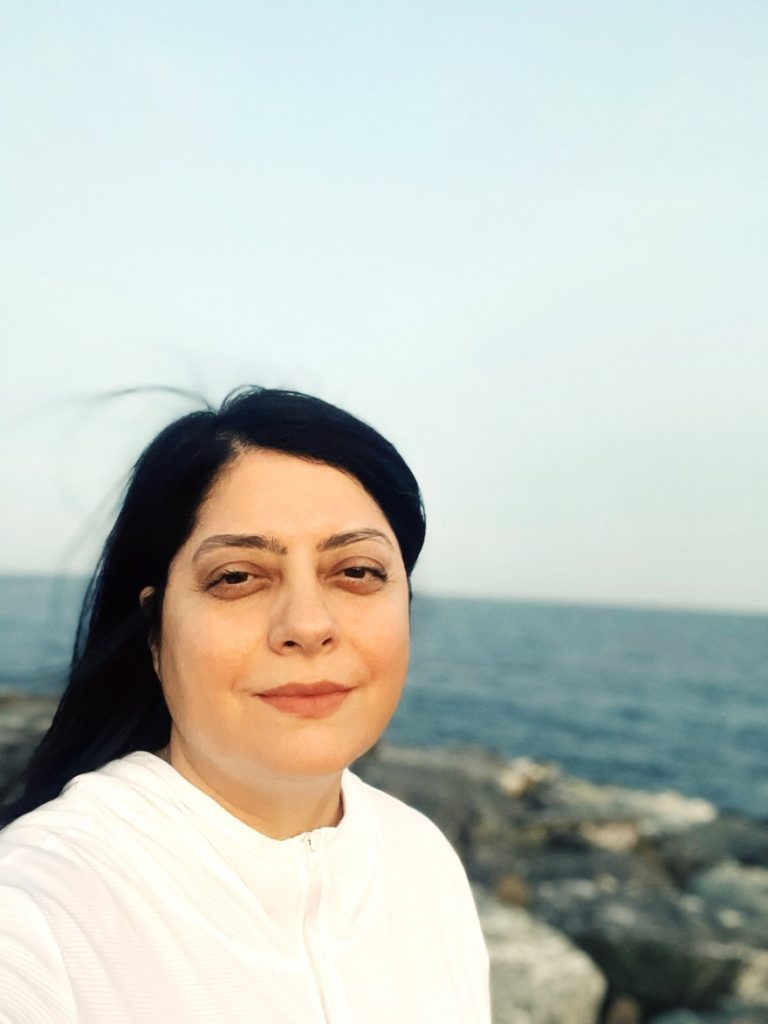
Arrange a confidential consultation with Dr Millia Begum at First Psychiatry Clinic in Dubai.
Villa 975, Municipality 363856
Al Manara, Umm Suqeim 2
Dubai, UAE
Office: +971 4 221 6000
Email: info@firstpsychiatryclinics.com
About Dr. Millia
Dr. Millia Begum is a British-trained Consultant Psychiatrist and an expert trauma specialist with over 25 years of clinical experience in psychiatry and therapy.
She is an EMDRIA Certified Therapist™ and EMDRIA Approved Consultant™, a former EMDR researcher, and a former board member of the EMDR Association UK. She uses EMDR, Deep Brain Reorienting (DBR) Therapy and is a Certified Internal Family Systems (IFS) Therapist . She brings a compassionate, parts-informed approach to her work with clients in Dubai.